
When most people think about interior design, they think about aesthetics — colors, furniture, décor, and visual appeal. While beauty matters, interior design is much deeper than appearance.
In truth, interior design shapes the way we live, feel, and experience daily life. It supports functionality, comfort, emotional wellbeing, and personal expression. Simply put: interior design is lifestyle design.
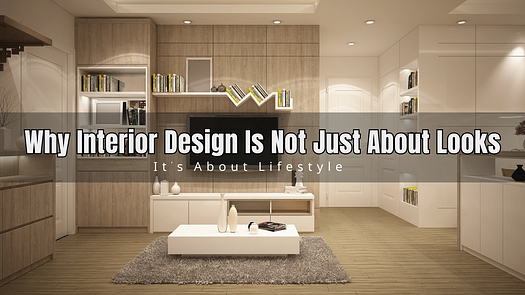
Whether you are setting up a cozy apartment or revamping a large office, good interior design improves life beyond what meets the eye.
Your Space Reflects Your Mindset
A cluttered room can make you feel stressed, while a bright, open space can instantly feel calming. That is the power of interior design.
Your environment directly affects your mood, focus, and energy. Designers who understand lifestyle-focused interiors prioritize:
- Natural lighting to boost energy
- Functional furniture that improves flow and movement
- Color palettes that promote calm, focus, or creativity
A space designed with you in mind becomes more than a place — it becomes an experience.
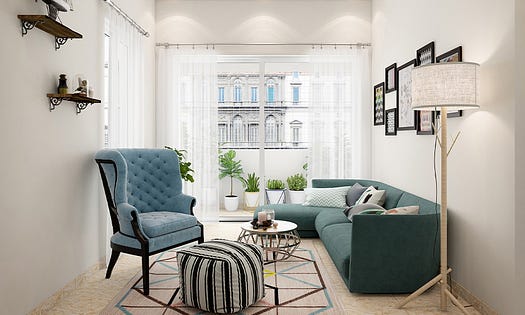
It’s About How You Use the Space
A beautiful sofa is pointless if it is uncomfortable or placed in the wrong direction. Interior design is not just about beauty — it is about functionality.
When spaces are designed around lifestyle, they:
- Make daily routines smoother
- Encourage productivity at home or work
- Help you relax and recharge in comfort
A parent with young children may need rounded furniture, soft rugs, and smart storage. A work-from-home professional needs ergonomic seating, good lighting, and acoustic balance. Good design is not one-size-fits-all — it is you-sized.
Interior Design Affects Your Health
Your environment plays a major role in both physical and mental wellbeing. Lifestyle-based design considers comfort, safety, air quality, and natural light.
- Airflow and ventilation: Smart space planning encourages natural airflow and freshness.
- Lighting: Natural light supports mood, energy, and healthy sleep patterns.
- Materials: Non-toxic and sustainable materials can reduce allergies and improve indoor air quality.
The result is a space that does not just look good — it feels good to live in.
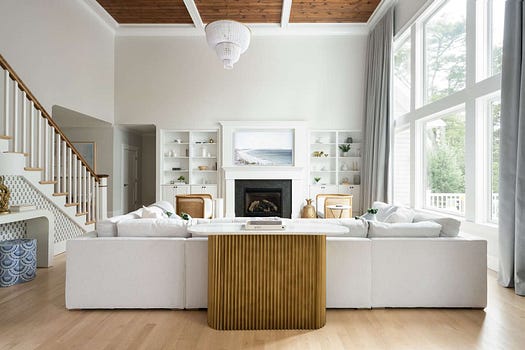
Expression of Your Identity
Interior design is deeply personal. Your space reflects your values, culture, creativity, and daily habits.
Every choice — from curtains to cabinets — tells your story. Lifestyle-focused designers pay attention to:
- Your daily habits
- Your aesthetic preferences
- Your goals for each space: rest, work, entertainment, or family time
The best interior is not copied from a trend. It feels natural because it belongs to the person living inside it.
Case in Point: Thoughtful Design in Bangladesh
Modern interior design in Bangladesh is influenced by global styles like minimalism and Japandi, but local lifestyle needs remain unique.
Extended family living, prayer corners, traditional cooking habits, humidity, compact apartments, and cultural preferences all shape how a space should be designed.
Venster Architects, based in Mohakhali, Dhaka, focuses on blending modern design with lifestyle relevance. Their projects go beyond Pinterest inspiration by designing around routine, comfort, and real goals.
Why This Approach Works
Smart interior design in Bangladesh does not need to be overly expensive or generic. It needs to be thoughtful, practical, and deeply connected to the people who use the space.
Final Thoughts
When you look at a well-designed space, admire its beauty — but also ask: how does this space support the person living here?
The best interior design is not just about beauty. It is about how you live, feel, and grow inside that space.
Next time you design or renovate your home or office, do not only chase trends. Think lifestyle. Think comfort. Think clarity.
When you design for life, beauty follows naturally.
Frequently Asked Questions
1. Why is interior design considered part of a lifestyle?
Because it affects how you live, feel, work, and relax every day. It is not just decoration — it creates an environment that supports your routine and wellbeing.
2. How can interior design improve mental health?
Good design uses natural light, organized space, calming colors, and practical layouts to reduce stress and promote mental clarity.
3. Do I need a large budget to get lifestyle-based interior design?
No. With smart planning, practical material choices, and budget-conscious design, lifestyle-based interiors can be achieved within realistic spending ranges.
4. How do I choose the right interior design firm?
Look for a firm that listens to your needs, understands your lifestyle, communicates clearly, and has experience across different types of projects.
5. Can interior design improve productivity in a home office?
Yes. Ergonomic furniture, proper lighting, acoustic balance, and smart layout planning can improve focus and reduce fatigue while working from home.
Design a Space That Supports Your Lifestyle
Venster Architects helps homeowners and businesses create interiors that are beautiful, functional, comfortable, and deeply connected to everyday life.