
Creating a beautiful and functional space is more than decorating. It is about designing an environment that improves your life every day.
Interior design blends creativity, science, and practical solutions to make your home, office, restaurant, or workplace a perfect fit for how you live and work.
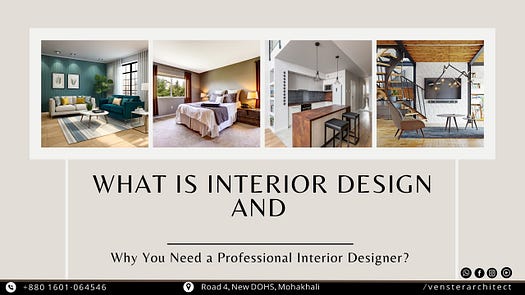
What Is Interior Design?
Interior design is the art and science of enhancing the inside of a building to make it healthier, more attractive, comfortable, and practical for its users.
It includes planning and styling every element inside a space — colors, lighting, furniture, textures, materials, and layout.
A good interior does more than look attractive. It improves movement, supports well-being, reflects personality, and makes the space easier to use.
Whether you want a cozy living room, an inspiring office, or a relaxing restaurant, interior design turns empty rooms into meaningful environments.
The Key Responsibilities of an Interior Designer
An interior designer is a skilled professional who brings your vision to life through creative planning and technical knowledge.
Here’s what an interior designer typically handles:
- Client Consultation: Understanding needs, preferences, lifestyle, and project goals.
- Design Planning: Creating mood boards, sketches, layouts, and 3D visualizations.
- Material and Furniture Selection: Choosing materials, fabrics, furniture, colors, and finishes.
- Project Management: Coordinating suppliers, contractors, craftsmen, and execution teams.
- Budgeting and Cost Estimation: Preparing transparent cost plans and budget guidance.
- Safety and Sustainability: Ensuring the space is safe, comfortable, and eco-conscious where possible.

Why Hiring an Interior Designer Is a Smart Move
You can decorate a space yourself, but an interior designer brings structure, expertise, and long-term value.
Save Time and Stress
An expert handles planning, decisions, supplier coordination, and execution details.
Access Better Resources
Designers have connections with suppliers, craftsmen, materials, and unique products.
Increase Property Value
A professionally designed interior can improve both usability and market appeal.
Improve Functionality
Designers reduce wasted corners and awkward layouts by planning around real usage.
Better Health and Comfort
Good design considers ergonomics, lighting, ventilation, comfort, and air quality.
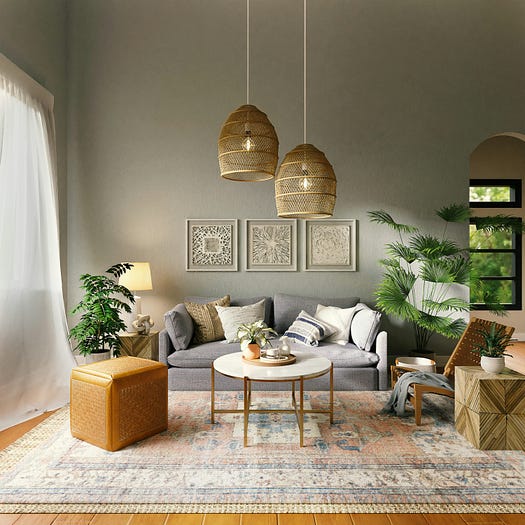
Essential Elements Interior Designers Work With
Great interior design balances several key elements together.
- Color: Sets mood and creates visual interest.
- Lighting: Highlights features and changes the feel of a room.
- Furniture: Provides comfort, function, and proportion.
- Textures and Materials: Add depth, warmth, and tactile appeal.
- Space Planning: Ensures smooth flow, movement, and usability.
- Accessories: Add personality and finishing details.

Pro Tips for Designing Your Perfect Space
Want to improve your home or workplace? Start with these practical interior design tips:
- Plan Your Layout First: Think about how you use the room before placing furniture.
- Choose a Focal Point: Use artwork, a statement sofa, a feature wall, or a fireplace to anchor the room.
- Mix Old and New: Blend modern pieces with vintage or personal items for a timeless look.
- Add Greenery: Plants bring life, softness, and freshness into the space.
- Layer Lighting: Combine ambient, task, and accent lighting for flexibility.
- Use Rugs to Define Areas: Rugs help separate zones in open-plan spaces.
- Don’t Overcrowd: Leave breathing space so the room feels open, calm, and comfortable.
The best interiors are not just beautiful. They are practical, safe, comfortable, and full of personality.
Final Thoughts: Interior Design Is More Than Decoration
Interior design transforms empty rooms into vibrant, livable spaces that inspire and comfort. It improves lifestyle, mood, productivity, and the way people experience a place.
Whether you hire a professional or start with DIY ideas, focus on creating a space that truly works for you — beautiful, functional, safe, and personal.
Need Professional Interior Design Support?
Venster Architects helps homeowners and businesses create practical, elegant, and budget-conscious interiors — from concept planning to final execution.